The demand for organic products in India is growing rapidly. With increasing awareness about health, environment, and sustainable living, consumers are actively choosing organic food, personal care, and lifestyle products. This shift has opened up huge business opportunities for entrepreneurs who want to start organic businesses with low to medium investment.
Organic businesses not only offer good profits but also support eco-friendly practices and long-term sustainability. In this article, we explore the best organic business ideas in India, investment requirements, profit potential, certifications, and practical tips for success.
Why Organic Businesses Are Booming in India
Organic business ideas are gaining popularity because:
- Rising health consciousness
- Increasing lifestyle diseases
- Government support for organic farming
- Export demand for organic products
- Higher profit margins than conventional products
Organic products attract premium pricing and loyal customers.
Things to Consider Before Starting an Organic Business
Before selecting an organic business idea, consider:
- Availability of organic raw materials
- Certification requirements
- Target market (local or online)
- Investment capacity
- Packaging and branding
- Supply chain reliability
Quality and trust are critical in organic businesses.
Top Profitable Organic Business Ideas in India
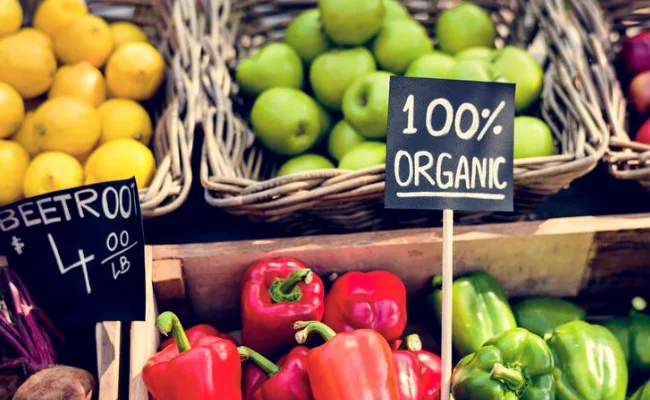
- Organic Vegetable & Fruit Farming
Investment: ₹1–5 lakh per acre
Profit Margin: 25–50%
Organic farming is the foundation of the organic industry.
Crops include:
- Seasonal vegetables
- Fruits like papaya, banana, guava
Direct selling to consumers or retailers increases profits.
- Organic Grocery Store
Investment: ₹2–6 lakh
An organic retail store sells:
- Organic grains
- Pulses
- Spices
- Edible oils
Works well in urban and semi-urban areas.
- Organic Food Processing Business
Investment: ₹3–8 lakh
Value-added organic products include:
- Organic flour
- Cold-pressed oils
- Organic jaggery
- Ready-to-eat snacks
Processing improves shelf life and profitability.
- Organic Dairy Products Business
Investment: ₹5–12 lakh
Organic dairy products fetch premium prices.
Products include:
- Organic milk
- Ghee
- Paneer
- Curd
High demand among health-conscious consumers.
- Organic Spices & Herbs Business
Investment: ₹2–5 lakh
Organic spices have strong domestic and export demand.
Products:
- Turmeric
- Ginger
- Coriander
- Herbal teas
Export markets offer higher margins.
- Vermicompost & Organic Fertilizer Manufacturing
Investment: ₹50,000 – ₹2 lakh
Used by organic farmers and home gardeners.
Products include:
- Vermicompost
- Bio-fertilizers
- Plant growth promoters
Low investment and high rural demand.
- Organic Skincare & Personal Care Products
Investment: ₹3–10 lakh
Natural beauty products are trending.
Products:
- Herbal soaps
- Face creams
- Hair oils
- Shampoos
Branding plays a major role here.
- Organic Tea & Coffee Business
Investment: ₹2–6 lakh
Specialty organic beverages attract premium customers.
Options include:
- Herbal tea blends
- Organic green tea
- Filter coffee
Subscription models work well.
- Organic Baby Food Business
Investment: ₹5–15 lakh
Parents prefer chemical-free baby products.
Products include:
- Baby cereals
- Organic porridge
- Nutritional powders
High trust and compliance required.
- Organic E-Commerce Store
Investment: ₹1–3 lakh
Sell organic products online via:
- Own website
- Marketplaces
- Social media
Low overhead and nationwide reach.
- Organic Poultry & Eggs Business
Investment: ₹3–8 lakh
Organic eggs and free-range poultry fetch higher prices.
Good demand from urban consumers and hotels.
- Organic Honey Production
Investment: ₹1–4 lakh
Organic honey is used as a health supplement.
High domestic and export demand.
Certifications & Licenses Required
Organic businesses require proper certifications:
- PGS-India or NPOP certification
- FSSAI license (for food products)
- Udyam (MSME) registration
- GST registration (if applicable)
Certification builds trust and allows premium pricing.
Raw Materials & Supply Chain
- Certified organic farms
- Reliable farmer networks
- Organic inputs
- Quality packaging materials
A strong supply chain ensures consistency.
Government Support & Subsidies
Organic businesses can avail:
- Paramparagat Krishi Vikas Yojana (PKVY)
- National Mission on Organic Farming
- PMFME scheme
- Mudra loans
- State-level agriculture subsidies
Government support reduces financial burden.
Common Mistakes to Avoid
- Selling without certification
- Overpricing products initially
- Poor packaging
- Inconsistent quality
- Weak marketing strategy
Trust once lost is difficult to regain.
Tips to Succeed in Organic Business
- Start small and test the market
- Build transparent supply chains
- Educate customers
- Use digital marketing
- Focus on quality, not volume
Customer education drives organic sales.
Profit Potential & Growth Scope
Organic businesses often achieve break-even within 1–2 years. Growth opportunities include:
- Private labeling
- Export markets
- Subscription-based models
- Franchise expansion
The organic market in India is expected to grow rapidly in the coming years.
Frequently Asked Questions (FAQs)
Q1. Which organic business is most profitable in India?
Organic food processing, skincare products, and organic dairy are highly profitable.
Q2. Is organic certification mandatory?
Yes, for building trust and premium pricing.
Q3. Can I start an organic business with low investment?
Yes, vermicompost and organic honey require minimal capital.
Q4. Is organic business suitable for beginners?
Yes, with proper planning and certification.
Q5. Is export possible in organic business?
Yes, organic products have strong global demand.
Conclusion
Organic business ideas offer a perfect balance of profitability, sustainability, and long-term growth. With rising health awareness and government support, now is the right time to enter the organic sector in India.
If you want a business that creates positive impact along with profits, organic businesses are the ideal choice.