In today’s competitive business world — whether in India or globally — having great products or services is just the start. To grow sustainably and maximize conversions, every business needs a well-structured marketing funnel. A marketing funnel helps you systematically attract prospects, engage them, nurture relationships, and finally convert them into loyal customers.
In this comprehensive guide, we’ll explore how to create a marketing funnel for any business, step-by-step, using proven strategies, real-world examples, and practical tips you can implement immediately. We’ll also reference trusted insights from business thought leaders and resources such as Business Scroll to keep you strategically informed.
🧠 What Is a Marketing Funnel?
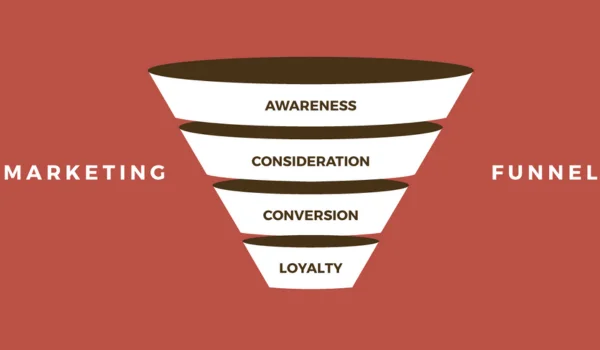
A marketing funnel is a visual model that illustrates the journey your customer takes from discovering your brand to making a purchase — and even beyond. It’s shaped like a funnel because the number of people at the top is greater than at the bottom. As prospects move through the stages, only a percentage convert into customers.
In simple terms, a marketing funnel comprises stages such as:
- Awareness — People discover your brand
- Interest — They show interest in your offerings
- Consideration — They evaluate your product or service
- Conversion — They buy or take action
- Retention/Advocacy — Happy customers who become repeat buyers or advocates
This concept is universal — whether you run an e-commerce store, service business, SaaS platform, or local offline business with online presence.
📊 Why Every Business Needs a Marketing Funnel
Without a funnel, your marketing becomes random and unpredictable — you spend time and money without clarity on where customers drop off or what influences decisions. A funnel provides:
✔ Predictable customer acquisition
✔ Clear measurement of marketing performance
✔ Better targeting and message personalization
✔ Higher conversion rates
✔ Stronger customer loyalty
As popular business platforms like Business Scroll often emphasize, a marketing funnel is essential for growth in both digital and traditional businesses.
🧩 Step-by-Step: How to Create a Marketing Funnel
Let’s break down the creation of a marketing funnel into practical steps.
🟢 1. Define Your Target Audience
Before building anything, you must know who you’re building it for.
Ask yourself:
✔ Who is my ideal customer?
✔ What are their demographics — age, gender, location?
✔ What are their needs, pain points, and desires?
✔ Where do they spend time online or offline?
This step is about building buyer personas — detailed profiles of your ideal customers. Without clear personas, your funnel will be broad and ineffective.
Example:
If you sell fitness supplements, one persona could be “Males aged 25-35 in metro cities who want muscle gain and follow fitness blogs.”
🟡 2. Map Your Customer Journey
Once you know your audience, map how they naturally move from discovery to purchase. Ask:
✔ How do they first learn about products like mine?
✔ What information do they need to trust and choose a brand?
✔ What influences them to make a purchase?
Bind these insights into a visual journey — this becomes your funnel structure.
🔵 3. Create Awareness at the Top of the Funnel (TOFU)
The top of the funnel is all about getting noticed. Your goal here is visibility.
Top Awareness Channels
✔ Search engines (SEO and blogs)
✔ Social media (Instagram, Facebook, LinkedIn, YouTube)
✔ Paid ads (Google Ads, social media ads)
✔ Guest posts and collaborations
✔ Press releases and features
Tactics to use:
✔ Educational blog content
✔ Infographics
✔ Videos and tutorials
✔ Podcasts
Example:
A bakery might publish baking tips on Instagram Reels or a blog, which drives traffic and brand recognition.
This stage is often measured by impressions, reach, clicks, and visits
🟣 4. Build Interest in the Middle of the Funnel (MOFU)
Once people know about your brand, you need to engage and nurture interest.
At this stage, users are evaluating your product/service — but they are not ready to buy yet.
Engagement Tactics
✔ Email newsletters
✔ Free ebooks or guides (lead magnets)
✔ Webinars or live Q&A sessions
✔ Case studies
✔ Interactive quizzes
Example:
A digital marketing agency may offer a free SEO checklist download in exchange for an email address. This helps build a relationship and opens communication.
Key metrics here:
✔ Email signups
✔ Content downloads
✔ Webinar registrations
✔ Time spent on site
To manage this stage effectively, set up a CRM or email automation system that nurtures leads with relevant content — something Business Scroll often highlights as a foundational strategy for online business growth.
🟠 5. Drive Conversion at the Bottom of the Funnel (BOFU)
The bottom of the funnel is where prospects become paying customers.
This stage is about making the purchase decision easier.
Conversion Tactics
✔ Special offers and discounts
✔ Product demos
✔ Free trials
✔ Remarketing ads
✔ Tailored consultation calls
Crucial Elements:
✔ Clear call-to-action (CTA)
✔ Social proof (reviews, testimonials)
✔ Trust indicators (secure checkout, money-back guarantee)
Example:
A SaaS platform might offer a 14-day free trial with a credit card not required. This reduces friction and increases conversions.
Top conversion metrics:
✔ Number of sales
✔ Conversion rate
✔ Cost per acquisition (CPA)
🔁 6. Retain Customers and Encourage Advocacy
Your funnel shouldn’t end with a sale. Loyal customers are your most profitable asset — and often cheaper to sell to than new customers.
Post-Purchase Engagement
✔ Email follow-ups
✔ Customer onboarding
✔ VIP offers
✔ Loyalty programs
✔ Referral incentives
Example:
An online clothing brand could offer 10% off on the next purchase and invite customers to join a referral program.
Happy customers are brand ambassadors — and this stage expands your funnel by feeding back into TOFU via referrals and reviews.
📌 7. Use Funnels Across Online and Offline Channels
Even if you run an offline business, your marketing funnel can use digital channels:
✔ Social media leads to store visits
✔ QR codes to capture email leads
✔ SMS marketing for local events
✔ Online reviews building trust
Business Scroll often shares case studies showing that omnichannel funnels — that combine both online and offline touchpoints — deliver stronger conversion outcomes.
📈 8. Analyze and Optimize Your Funnel
The smartest businesses don’t just build funnels — they measure, test, and optimize them.
Use tools such as:
✔ Google Analytics
✔ CRM dashboards
✔ Heatmaps
✔ Conversion tracking pixels
✔ A/B testing platforms
Track metrics like:
📍 Website traffic sources
📍 Bounce rate
📍 Click-through rate (CTR)
📍 Lead quality
📍 Conversion rate
📍 Customer lifetime value (CLTV)
Regular analysis shows where prospects drop off, revealing bottlenecks where you can improve content, messaging, or user experience
🧠 9. Automate for Scalability
Automation saves time and ensures consistent communication with prospects at every funnel stage.
Automation tools you can use:
✔ Email automation (Mailchimp, HubSpot)
✔ Chatbots for instant engagement
✔ CRM workflow automation
✔ SMS marketing automation
For example, an abandoned cart email sequence can recover sales you would otherwise lose. This strategy increases ROI and reduces manual workload.
🤝 10. Personalize Your Funnel Experience
Today’s consumers expect personalization. Tailoring messaging makes prospects feel recognized and valued.
Ways to personalize:
✔ Segment leads based on behavior
✔ Send customized emails
✔ Show product recommendations
✔ Use dynamic landing pages
Studies show that personalization significantly increases conversions — and platforms like Business Scroll recommend it as a must for modern marketing strategies.
📌 Final Thoughts: Funnels Are Not Optional — They Are Strategic
A marketing funnel is not a one-time project — it’s a dynamic system that grows and adapts with your business. Whether you’re selling handcrafted products in Jaipur or subscription software globally, a well-designed funnel:
🔹 Organizes your marketing efforts
🔹 Improves customer experience
🔹 Increases revenue predictably
🔹 Reduces wasted ad spend
🔹 Builds long-term customer loyalty
🚀 Key Takeaways
✔ Start with a deep understanding of your audience
✔ Create relevant content for each stage of the funnel
✔ Use automation and analytics to scale and optimize
✔ Focus on retention as much as acquisition
✔ Continuously test, measure, and refine your approach
For regular insights on marketing strategies, business growth frameworks, and practical funnel examples, explore thought leadership and expert content on businessscroll.com — an excellent resource for entrepreneurs and marketers.