Starting an RO (Reverse Osmosis) water business from home is one of the most practical and low-investment business ideas in India today. With rising concerns about water quality, people prefer clean and safe drinking water, creating a steady demand. If planned properly, this business can generate consistent monthly income with good profit margins.
This guide explains everything in simple terms—what the business is, how it works, setup process, costs, legal requirements, marketing tips, and common mistakes.
What is an RO Water Business?
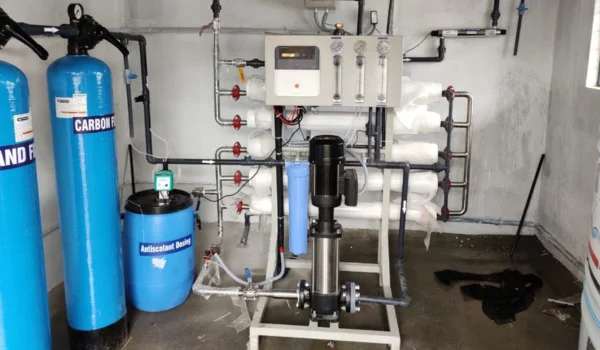
An RO water business involves purifying tap or borewell water using a Reverse Osmosis system and selling it to customers in cans, bottles, or jars.
RO technology removes impurities like:
- Dirt and sediments
- Harmful chemicals
- Bacteria and viruses
- Bad taste and odor
You can run this business from your home by setting up a small purification plant and delivering water locally.
Why Start an RO Water Business?
Here are some reasons why this business works well in India:
- High demand: Clean drinking water is a basic need
- Low investment: Can start with ₹50,000–₹2 lakh
- Recurring income: Customers order daily or weekly
- Easy to scale: Expand to nearby areas over time
- Works in cities & villages
How the RO Water Business Works
The process is simple:
- Water Source – Borewell, tap, or tanker water
- Purification – Water passes through RO filters
- Storage – Clean water stored in tanks
- Packaging – Filled in 20L jars or bottles
- Delivery – Supplied to homes, offices, shops
You earn money by selling each water jar or bottle.
Step-by-Step Guide to Start RO Water Business from Home
- Understand Your Local Market
Before investing, check demand in your area:
- Are people already buying water cans?
- What is the price per jar (₹20–₹50)?
- Who are your competitors?
This helps you set the right price and plan.
- Choose a Space at Home
You don’t need a big setup. A small space is enough:
- 100–300 sq. ft. area
- Clean and covered place
- Proper drainage system
- Electricity and water connection
You can use your garage, backyard, or terrace.
- Install RO Plant
The RO machine is the main investment.
Types of RO Plants:
- Small (50–100 LPH – Liters Per Hour) → Home-based business
- Medium (250–500 LPH) → Small commercial setup
Approximate Cost:
- ₹30,000 to ₹1,50,000 depending on capacity
Make sure it includes:
- Sediment filter
- Carbon filter
- RO membrane
- UV/UF purification (optional but better)
- Arrange Storage Tanks
You will need:
- Raw water tank
- Purified water tank
Cost: ₹5,000 – ₹15,000
- Buy Water Jars and Bottles
Most home businesses start with 20-liter jars.
Initial Requirement:
- 50–100 jars
- Cost per jar: ₹150–₹250
Total cost: ₹10,000 – ₹25,000
- Get Necessary Licenses
To run legally, you may need:
- FSSAI Registration (for food-grade water)
- Local Municipal Permission
- BIS Certification (for large packaged water plants, optional for small setups but recommended for growth)
For a small home business, basic registration is usually enough to start.
- Set Pricing
Typical price per 20L jar:
- ₹20 – ₹50 depending on location
Monthly income depends on number of customers.
- Arrange Delivery System
You can start simple:
- Bicycle or scooter for delivery
- Later upgrade to auto or small vehicle
Delivery is key to customer satisfaction.
Investment Breakdown
| Item | Cost (Approx.) |
| RO Plant | ₹30,000 – ₹1,50,000 |
| Water Tanks | ₹5,000 – ₹15,000 |
| Jars & Bottles | ₹10,000 – ₹25,000 |
| Licenses | ₹2,000 – ₹10,000 |
| Miscellaneous | ₹5,000 – ₹10,000 |
| Total | ₹50,000 – ₹2,00,000 |
Profit and Earnings
Let’s take a simple example:
- 50 customers
- Each uses 1 jar daily
- Price per jar: ₹30
Daily revenue: ₹1,500
Monthly revenue: ₹45,000
Expenses (approx.):
- Electricity: ₹2,000
- Maintenance: ₹2,000
- Delivery: ₹5,000
Net Profit: ₹30,000+ per month
As you grow customers, profit increases.
Tips to Grow Your RO Water Business
- Focus on Quality
Always provide clean and safe water. Quality builds trust.
- Provide Timely Delivery
Late delivery = lost customers.
- Offer Monthly Plans
Give discounts for regular customers.
- Target Offices & Shops
They order in bulk and give steady income.
- Use WhatsApp for Orders
Create a simple ordering system for customers.
- Branding Matters
Add your name/logo on jars for recognition.
Common Mistakes to Avoid
- Ignoring water quality testing
- Not cleaning jars properly
- Delayed deliveries
- Overpricing in competitive areas
- Skipping licenses
- Poor customer service
These mistakes can damage your reputation quickly.
Challenges in RO Water Business
- High competition in cities
- Regular maintenance required
- Water wastage in RO process
- Initial customer acquisition
But with consistency and good service, these can be managed.
Is This Business Right for You?
This business is ideal if you:
- Want to start with low investment
- Have space at home
- Can manage delivery
- Want a steady income source
It is suitable for:
- Small entrepreneurs
- Housewives
- Retired individuals
- Side business seekers
Frequently Asked Questions (FAQ)
- How much investment is needed to start an RO water business from home?
You can start with ₹50,000 to ₹2 lakh depending on setup size.
- Do I need a license for RO water business?
Yes, basic FSSAI registration and local permissions are recommended.
- Is RO water business profitable?
Yes, it offers steady monthly income with good margins if managed well.
- How many customers do I need to start earning profit?
Even 30–50 regular customers can generate decent income.
- Can I run this business alone?
Yes, you can start alone and hire help as your business grows.
Conclusion
Starting an RO water business from home is a practical and profitable opportunity in India. With rising demand for clean drinking water, even a small setup can generate stable monthly income.
The key to success lies in:
- Maintaining high water quality
- Providing reliable delivery
- Building strong customer relationships
Start small, focus on service, and gradually expand your business. With the right approach, this simple idea can turn into a long-term income source.