Starting an export business from home in India is a powerful way to earn in foreign currency and build a scalable business. With growing global demand for Indian products like handicrafts, textiles, spices, and services, even small entrepreneurs can reach international customers without opening a physical office.
The best part? You can start with low investment, use online platforms, and gradually grow into a full-scale export company.
Let’s understand step-by-step how you can start your own export business from home.
Understand What Export Business Is
Export business means selling goods or services from India to customers in other countries.
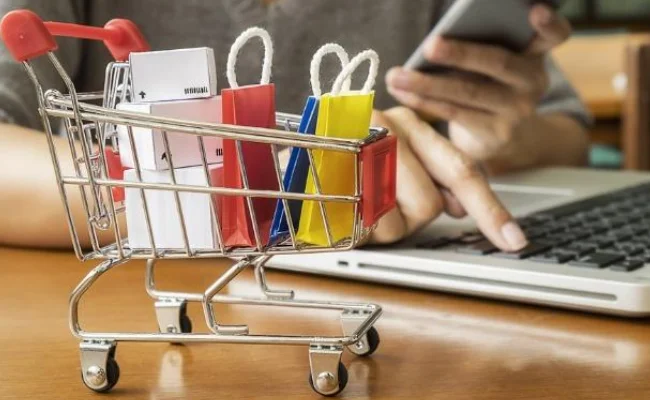
Examples of Export Products:
- Handicrafts
- Clothing and garments
- Spices and food products
- Leather goods
- Jewellery
- Ayurvedic products
- Engineering goods
Examples of Export Services:
- IT services
- Digital marketing
- App development
- Content writing
You can choose either product export or service export depending on your interest.
Choose the Right Product or Service
Choosing the right product is the most important step.
Tips to Select a Product:
- High demand in foreign countries
- Easy to source in India
- Good profit margin
- Not highly restricted
Popular Export Products from India:
- Cotton garments
- Tea and spices
- Handmade decor items
- Organic products
- Furniture
Example:
If you live near a textile market, you can export clothing.
If you have access to farmers, you can export spices or organic food.
Research Your Target Market
Before exporting, understand where your product will sell best.
Research:
- Which countries demand your product
- Pricing in international markets
- Competitors
- Import rules of that country
Example:
Indian spices are in high demand in:
- USA
- UK
- UAE
- Canada
You can use platforms like:
- Google Trends
- Amazon Global
- Alibaba
Create a Business Plan
A simple plan helps you avoid confusion.
Include:
- Product details
- Target countries
- Pricing strategy
- Marketing plan
- Cost and profit estimation
Register Your Business
To start exporting legally from India, you need proper registration.
Step 1: Choose Business Structure
- Sole Proprietorship (easy and low cost)
- Partnership
- LLP
- Private Limited Company
Step 2: Apply for PAN Card (if not already)
Step 3: Open Current Bank Account
Get IEC Code (Import Export Code)
This is the most important requirement.
What is IEC?
Import Export Code is a 10-digit number required for export/import.
You can apply online through the Directorate General of Foreign Trade (DGFT).
Documents Required:
- PAN card
- Aadhaar card
- Bank details
Without IEC, you cannot export goods.
Register with Export Promotion Council (Optional but Useful)
Depending on your product, you can register with relevant councils.
Example:
- Textile Export Promotion Council
- Spice Board of India
This helps in:
- Getting government support
- Finding buyers
- Participating in trade fairs
Understand GST and Tax Rules
GST:
- Export is generally zero-rated (no GST on exports)
- You can claim GST refund
You May Need:
- GST registration
- LUT (Letter of Undertaking) for exporting without paying GST
Consult a CA for proper guidance.
Set Up Your Home Office
You don’t need a big office.
Basic Setup:
- Laptop/Computer
- Internet connection
- Phone
- Email system
Important Tools:
- Excel for records
- Accounting software
- Email (professional ID)
Find Suppliers or Manufacturers
If you are not manufacturing products yourself, you need reliable suppliers.
Where to Find Suppliers:
- Local markets
- Wholesale mandis
- Trade fairs
- B2B platforms
Tips:
- Check product quality
- Compare prices
- Build long-term relationship
Find International Buyers
This is the most important part of export business.
Best Ways to Find Buyers:
- B2B Platforms
- Alibaba
- IndiaMART
- TradeIndia
- Online Marketplaces
- Amazon Global
- Etsy (for handmade products)
- Social Media
- LinkedIn (very powerful for B2B)
- Instagram (for product display)
- Direct Email Marketing
Send emails to importers and wholesalers.
- Trade Fairs
Participate in international exhibitions.
Decide Pricing Strategy
Pricing should include all costs.
Include:
- Product cost
- Packaging
- Shipping
- Customs duty
- Profit margin
Common Pricing Terms:
- FOB (Free on Board)
- CIF (Cost, Insurance, Freight)
Start with competitive pricing to attract buyers.
Packaging and Branding
Good packaging is very important in export.
Focus On:
- Strong and safe packaging
- Attractive design
- Proper labeling
Include:
- Product name
- Country of origin (Made in India)
- Weight and details
Choose Shipping and Logistics
You need a reliable shipping partner.
Options:
- Courier companies (DHL, FedEx)
- Freight forwarders
Shipping Types:
- Air freight (fast but costly)
- Sea freight (slow but cheaper)
Payment Methods
Secure payment is very important.
Common Methods:
- Advance payment
- Letter of Credit (LC)
- PayPal (for small orders)
- Bank transfer (SWIFT)
Always avoid risky buyers in the beginning.
Documentation for Export
You need proper documents for shipping.
Common Documents:
- Invoice
- Packing list
- Bill of lading
- Shipping bill
- Certificate of origin
Your shipping partner can help with this.
Marketing Your Export Business
To grow your business, focus on marketing.
Effective Strategies:
- Create a professional website
- Use SEO (Google search ranking)
- LinkedIn networking
- Email marketing
- Online ads
Content Ideas:
- Product videos
- Manufacturing process
- Customer testimonials
Start Small and Scale Up
Don’t try to export in bulk immediately.
Start With:
- Small orders
- Few products
- Limited countries
As you gain experience:
- Increase order size
- Expand to more countries
- Build your brand
Common Mistakes to Avoid
- Not researching market properly
- Ignoring legal requirements
- Poor packaging
- Trusting unknown buyers
- Underpricing products
- Not maintaining quality
Real-Life Example
Amit from Jaipur started exporting handmade handicrafts from home.
- Initial investment: ₹50,000
- Sold products on Etsy and Instagram
- Got international orders
Within 1 year:
- Monthly revenue reached ₹2–4 lakh
- Built a brand
- Started exporting to USA and Europe
FAQ
- Can I start export business from home?
Yes, many exporters start from home with low investment.
- What is the minimum investment required?
You can start with ₹30,000–₹1 lakh depending on product and scale.
- Is IEC compulsory?
Yes, IEC is required for exporting goods from India.
- Which product is best for export?
Handicrafts, garments, spices, and organic products are popular.
- Is export business profitable?
Yes, profit margins can be high due to international pricing.
Conclusion
Starting an export business from home in India is a great opportunity in today’s global economy. With internet access, online platforms, and government support, even small entrepreneurs can sell products worldwide.
Success depends on:
- Choosing the right product
- Understanding international markets
- Building strong buyer relationships
- Maintaining quality and trust
Start small, learn continuously, and grow step by step. Over time, your home-based export business can become a successful international brand.
If you take the first step today, your products could soon reach customers across the world. 🌍