If you’re building a business in India, your brand name is one of your most valuable assets. But here’s the reality—if you don’t legally protect it, someone else can claim it, copy it, or even force you to stop using it.
That’s where trademark registration comes in.
In this complete guide, you’ll learn the procedure for trademark registration in India—explained in simple, professional English. Whether you’re a startup founder, freelancer, or business owner, this guide will help you understand the process clearly and avoid costly mistakes.
What is a Trademark?
A trademark is a unique identity of your business. It can be:
- Brand name
- Company name
- Logo
- Tagline or slogan
- Symbol or design
Once registered under the Trade Marks Act, 1999, it gives you exclusive legal rights to use that mark in your category across India.
Why Trademark Registration is Important
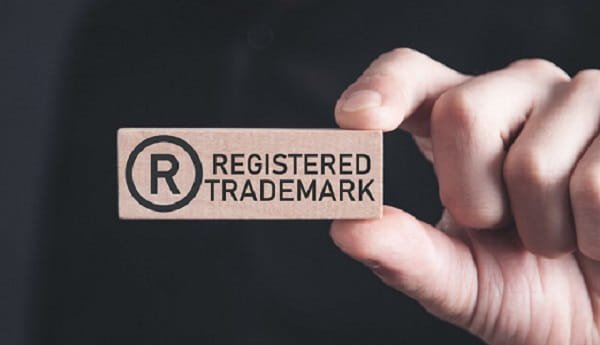
Many businesses skip trademark registration initially—and regret it later.
Here’s why it matters:
- Legal Ownership
You become the official owner of your brand name.
- Brand Protection
Prevents others from copying or using similar names.
- Exclusive Rights
You can legally stop others from using your trademark.
- Business Value
A registered trademark becomes an asset you can sell or license.
- Customer Trust
A protected brand builds credibility and professionalism.
Who Can Apply for Trademark Registration?
Anyone can apply:
- Individuals
- Startups
- MSMEs
- Partnership firms
- LLPs
- Private Limited Companies
Even if your business is not registered, you can still apply.
Types of Trademarks You Can Register
You can register:
- Word mark (brand name)
- Logo mark
- Combination of logo + text
- Tagline
- Shape or packaging (in special cases)
Trademark Classes in India
India follows the NICE Classification system:
- Class 1–34 → Goods
- Class 35–45 → Services
Choosing the correct class is critical. Wrong selection can lead to rejection.
Step-by-Step Procedure for Trademark Registration in India
Let’s break the process into simple steps:
Step 1: Trademark Search (Very Important)
Before applying, you must check if your trademark is already registered or similar to existing ones.
- Visit IP India website
- Search your brand name
- Check for identical or similar marks
This step reduces chances of objection or rejection.
Step 2: Choose the Right Trademark Class
Identify your business category and select the appropriate class.
Example:
- Clothing → Class 25
- Marketing services → Class 35
Step 3: Prepare the Application (Form TM-A)
You need to file Form TM-A with details such as:
- Applicant name and address
- Business type
- Trademark name/logo
- Class of trademark
- Usage details (used or proposed to be used)
Step 4: File the Trademark Application
You can file:
- Online (recommended)
- Offline at trademark registry office
After submission, you receive a TM application number.
You can start using the ™ symbol immediately after filing.
Step 5: Examination by Trademark Office
A trademark examiner reviews your application to check:
- Similarity with existing trademarks
- Compliance with legal rules
- Distinctiveness of the mark
Step 6: Examination Report & Objection (If Any)
If there are issues, the examiner raises objections.
You must:
- Respond within 30 days
- Provide clarification or justification
Proper reply increases chances of approval.
Step 7: Publication in Trademark Journal
If accepted, your trademark is published in the Trademark Journal.
This allows the public to:
- Oppose your trademark (if they have valid grounds)
Opposition period: 4 months
Step 8: Trademark Registration Certificate
If no opposition is filed (or successfully defended):
- Your trademark gets registered
- You receive a registration certificate
Now you can legally use the ® symbol
Documents Required for Trademark Registration
For Individuals:
- Aadhaar card / PAN card
- Address proof
For Companies/LLPs:
- Certificate of incorporation
- Director details
- Address proof
Additional Documents:
- Logo (if applicable)
- Power of attorney (if filing through agent)
Trademark Registration Fees in India
| Applicant Type | Government Fee (Per Class) |
| Individual / Startup / MSME | ₹4,500 |
| Company / LLP | ₹9,000 |
Professional fees may vary depending on service provider.
Time Required for Trademark Registration
- Filing: 1–2 days
- Examination: 1–3 months
- Final registration: 6–12 months
You can use ™ immediately after applying.
™ vs ® Symbol – What’s the Difference?
- ™ (Trademark): Used after application
- ® (Registered): Used only after approval
Using ® without registration is illegal.
Common Reasons for Trademark Rejection
Avoid these mistakes:
- Using generic names (e.g., “Best Services”)
- Choosing descriptive names
- Similarity with existing trademarks
- Incorrect class selection
- Lack of distinctiveness
Practical Tips to Get Trademark Approval Faster
- Choose a unique and creative name
- Avoid common words or phrases
- Conduct a thorough trademark search
- File early—even before launching
- Respond quickly to objections
Can You Apply Trademark Yourself?
Yes, you can apply yourself via IP India portal.
However, hiring a professional can help:
- Avoid mistakes
- Handle objections
- Increase approval chances
Trademark Validity and Renewal
- Valid for 10 years
- Can be renewed every 10 years (lifetime renewal allowed)
Renewal is essential to maintain rights.
What Happens If You Don’t Register a Trademark?
If you skip registration:
- Anyone can use a similar name
- You cannot claim strong legal rights
- Risk of brand copying increases
- You may have to rebrand
Trademark vs Company Name Registration
| Feature | Company Registration | Trademark Registration |
| Authority | MCA | Trademark Registry |
| Purpose | Legal business identity | Brand protection |
| Coverage | Limited | Nationwide |
| Protection | No brand protection | Full protection |
Both are important but serve different purposes.
FAQs on Trademark Registration in India
Q: Is trademark registration mandatory?
A: No, but it is highly recommended.
Q: Can I use my brand name without registration?
A: Yes, but it’s risky and offers limited protection.
Q: How long does trademark protection last?
A: 10 years (renewable indefinitely).
Q: Can two trademarks be similar?
A: No, if they create confusion, one may be rejected.
Q: Can I register a logo and name separately?
A: Yes, and it’s recommended for better protection.
Final Thoughts
Trademark registration is not just a legal formality—it’s a strategic move to secure your brand identity.
In today’s competitive market, where new businesses launch every day, protecting your name early can save you from serious legal and financial trouble later.
If you’re serious about your business, don’t delay trademark registration.